

Repair or replace an old boiler in Wyoming
Send the form and the search for an installer is over.
Let a pro reach outA boiler worth repairing is one that's still sound: the heat exchanger isn't leaking, and whatever failed is a single part, like a circulator pump or a zone valve. Past about 15 years, or after a second major repair in a couple winters, replacement usually makes more sense than keep paying to patch an old unit. Gas is the fuel almost everyone here heats with, and a new boiler burns it more efficiently than one installed a decade or two ago, which matters over a Wyoming winter. Summers here are hot and dry, so the boiler sits idle for months at a stretch, and that long off season is often when corrosion and mineral buildup do their quiet damage, showing up as a failure the next time it's needed. A straight read on which path fits yours starts with someone looking at the actual unit, not a guess based on its age alone.

A tech checks the heat exchanger first for cracks or leaks
They test the circulator pump and zone valves for failure
A still-sound boiler past 15 years gets priced for replacement instead
The old boiler is drained and disconnected from gas and water lines
Repair the Boiler or Replace It
Repair
- A circulator pump or zone valve replacement runs a lot less than a new boiler and takes a tech less time on site.
- If the heat exchanger is sound, fixing the failed part gets the heat back on without touching anything else in the system.
- Wyoming winters put a boiler through a long stretch of hard running, and a single part failure after years of that is normal wear, not a sign the whole unit is done.
- A repair makes sense when this is the first real failure, not the second in a couple winters.
- Parts for a boiler under 15 years old are usually still available, so a tech can order the exact pump or valve rather than improvise.
Replace
- Once the heat exchanger is cracked or leaking, there's no part to swap in, the vessel itself has failed.
- A boiler past 15 years that needs a second major repair in a couple winters is telling you the next failure is already coming.
- Gas heats most homes in Wyoming, and a new boiler burns that gas more efficiently than one installed well over a decade ago.
- Replacement means a tech sizes the new unit to your house rather than patching a system built around decisions made years ago.
- With power cheap here, the running cost difference comes almost entirely from the gas side, which is where a new boiler gains the most.
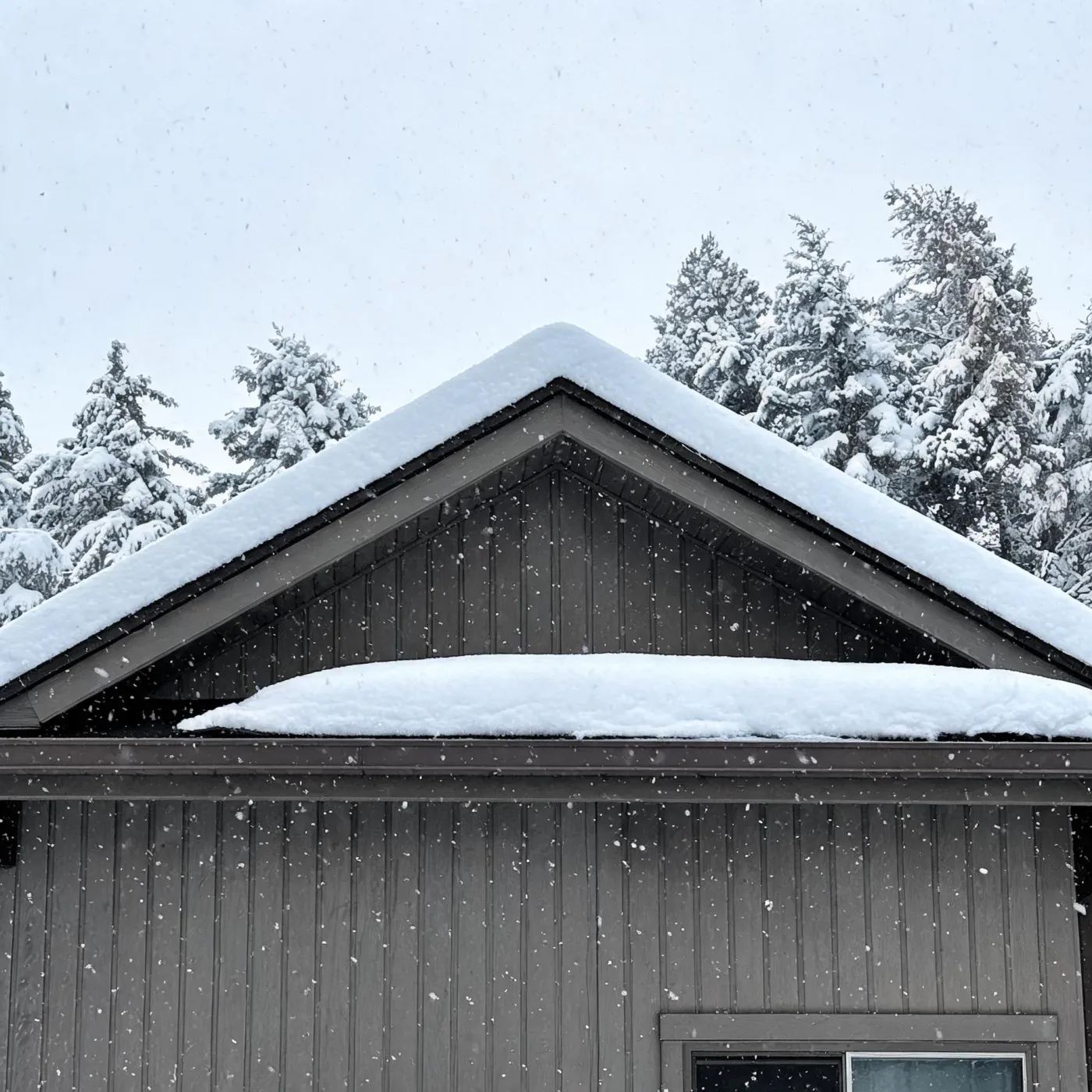
Statewide, winter nights average 13°F, according to NOAA climate data. A boiler here runs long and hard most nights from October through March just to hold a house steady. That kind of stretch is what finds the weak point in an old system. A circulator pump that's been limping along or a zone valve on its way out tends to fail on one of these cold nights, not a mild one, because that's when the boiler is working the hardest. If yours is short-cycling or a room isn't heating evenly, that's often the first sign showing up before a harder failure does.
NOAA nClimDiv 1991-2020 county normals weighted by homes
Is your boiler telling you something right now
You might hear it kick on and run longer than it used to, or knock and gurgle where it used to be quiet. Some rooms heat fine and others stay cold, which usually points to a zone valve or a circulator pump giving out. A pilot that won't stay lit, or a smell of gas near the unit, means stop using it and get it looked at. Water pooling under the boiler is the sign that matters most: it can mean the heat exchanger itself is cracked, and that's not something a part swap fixes. Left alone through a Wyoming winter, a failing boiler either quits on the coldest night or costs more to run every night until it does.




Let someone else find the pro

Only one pro gets your request, so you hear from one company.
You only hire the pro if you want to.
Why cast iron lasts differently
Most old boilers in Wyoming are cast iron, and a cast iron heat exchanger corrodes slower than the aluminum ones in newer high-efficiency units. That's part of why these systems run 20 years or more before anything major goes wrong. It also means a cast iron boiler that's leaking has usually been failing for a while, not something that happened overnight. A tech can tell the difference between surface rust on a fitting and a crack in the exchanger itself. Only the second one ends the boiler's life. Everything else on the unit, the pump, the valves, the controls, gets replaced on its own schedule and doesn't take the boiler down with it.
What replacement changes about the bill
Power here is cheap, so a boiler running on gas doesn't compete with electric heat the way it might elsewhere. A new boiler still burns less gas than an old one doing the same job, because the exchanger transfers more of that heat into your water instead of losing it up the flue. On a system that runs most nights from October through March, that difference shows up on every bill through the winter, not just a few. It's one reason a tech will price replacement once a cast iron boiler starts needing repairs every season instead of every few years.
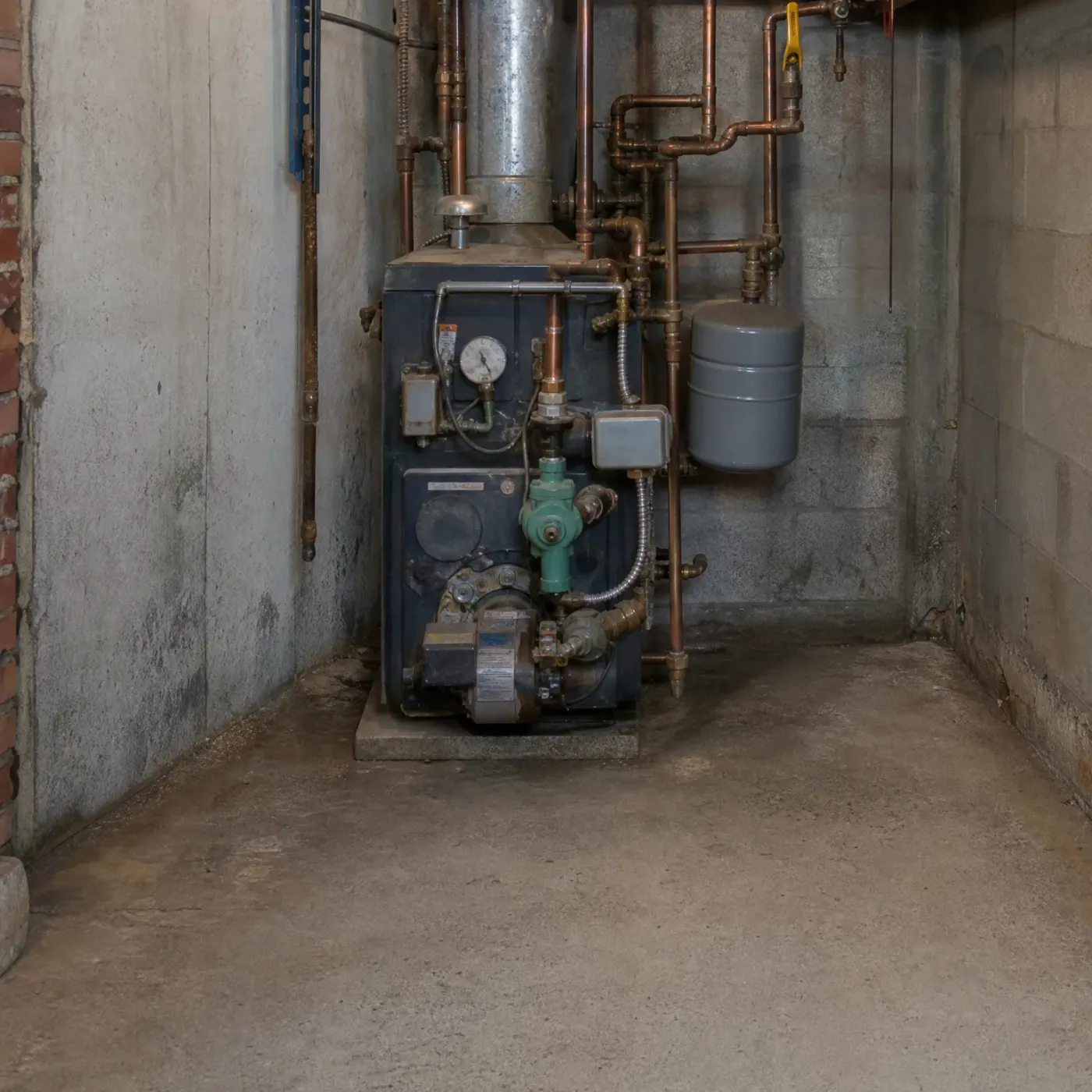
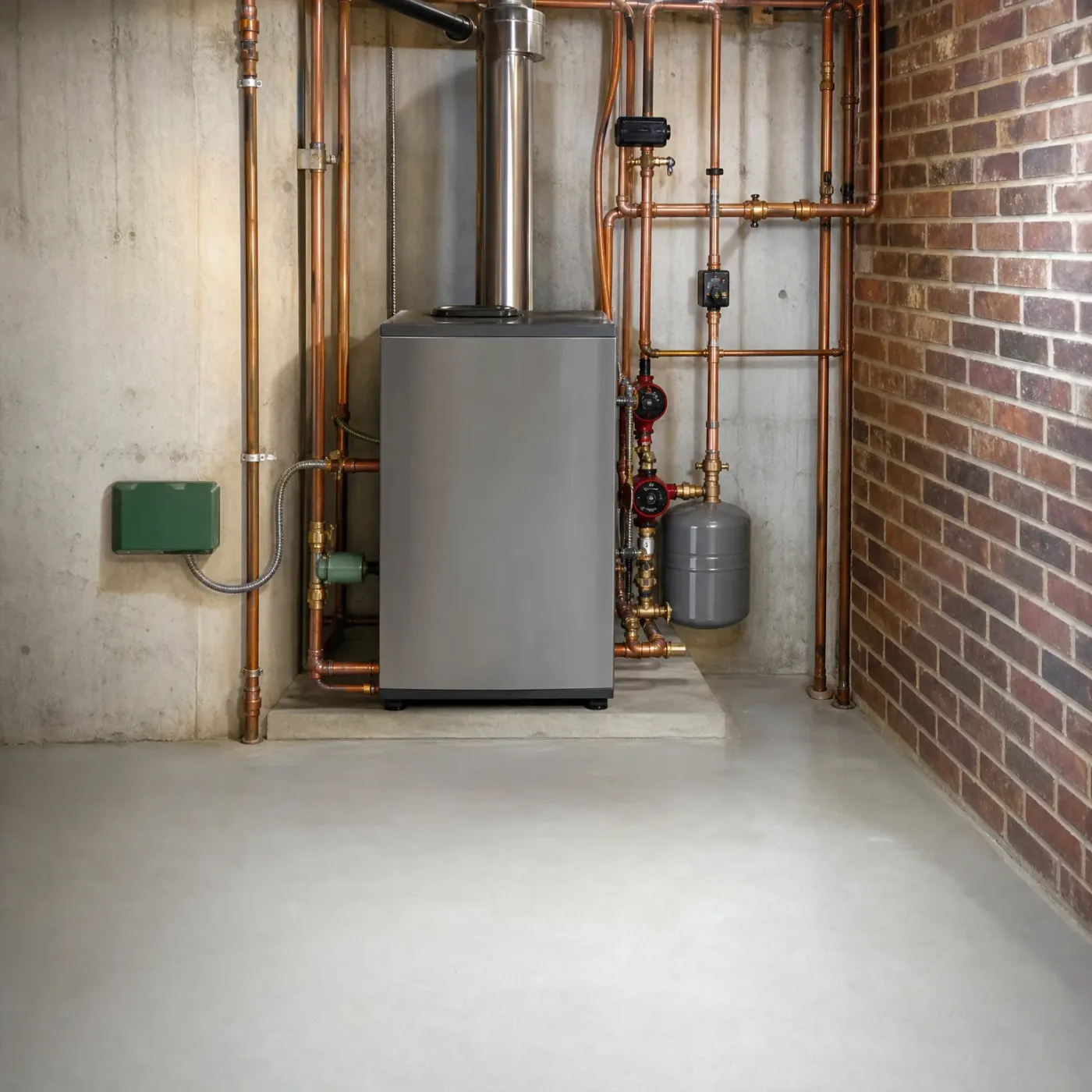
A boiler's controls work in steps, and most of what looks like a problem is one piece of that sequence. The gas valve ramps the flame down after startup on purpose, so a boiler that settles into a lower flame isn't failing, it's doing its job. The aquastat is what tells the burner to stop once the water's hot enough, and when it sticks, the boiler either overheats or kicks on and off more than it should. Because the system is moving hot water rather than air, a leak almost always shows itself first as water at a fitting or valve, not as a cold room. The expansion tank keeps pressure steady as that water heats, and once it loses its air charge, the relief valve starts to drip. Each zone runs off its own valve and motor, so one zone can lose heat, or stay on past the thermostat's call, while the rest of the house is fine. And the flame sensor only has to confirm the burner is lit. When it's weak, the boiler can lock out even though nothing serious is actually wrong.
How a boiler actually runs
- A gas valve opens in stages, so a boiler that fires then drops to a lower flame within a minute is working normally, not misfiring.
- The aquastat reads water temperature inside the boiler and tells the burner when to shut off, so a stuck aquastat is a common reason a boiler overheats or short-cycles.
- Boilers move heat through water, not air, so a leak shows up as a damp spot near a fitting or valve long before it shows up as a drop in heat.
- An expansion tank holds the extra volume as water heats and expands, and a tank that's lost its air charge will cause the pressure relief valve to drip.
- Each zone valve has its own motor, and when one fails it can either cut heat to that zone or keep it running even after the thermostat is satisfied.
- The pilot or igniter only has to light the burner, not the whole house at once, so a weak flame sensor can cause lockouts that look worse than they are.
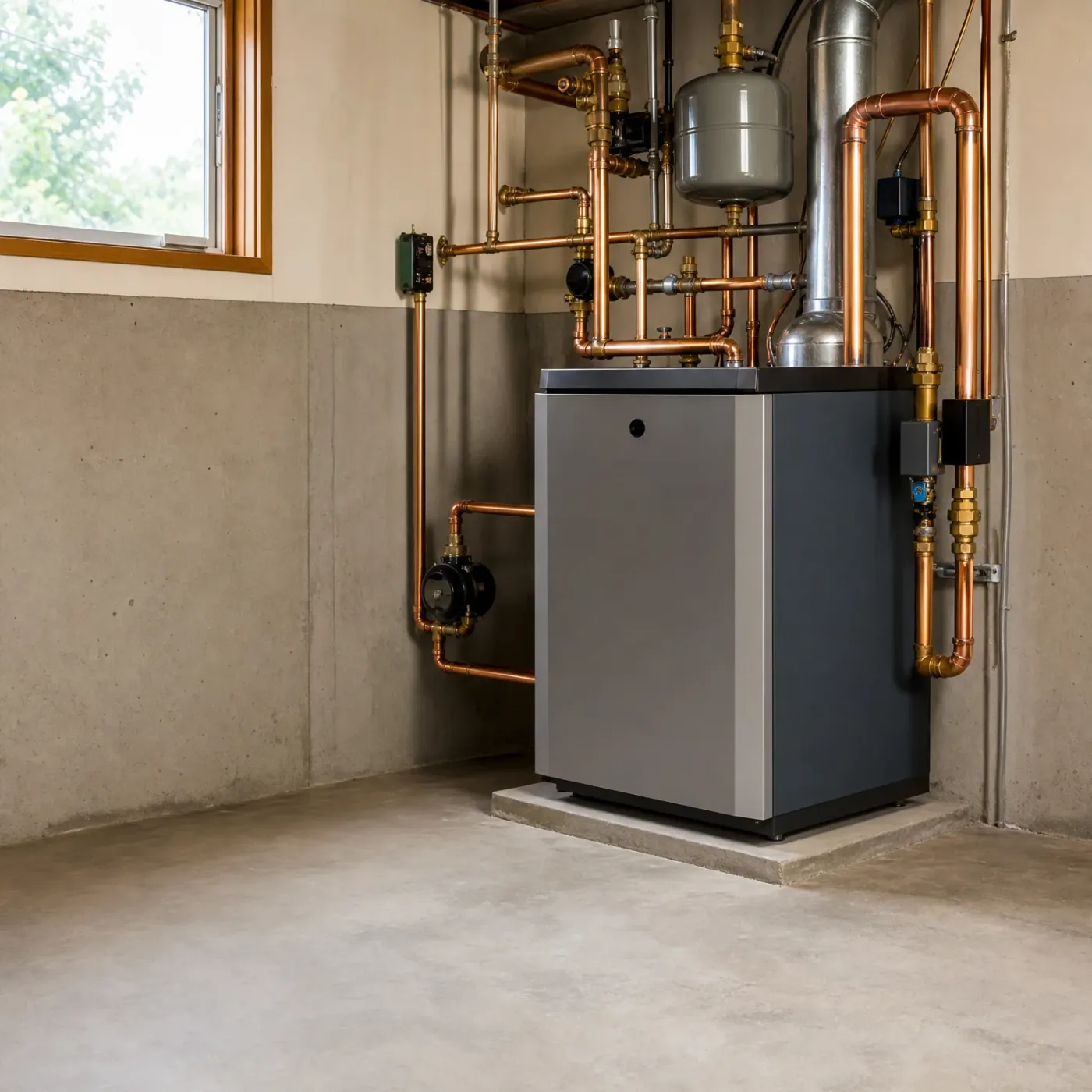
Winter nights average 13°F statewide
At 13°F, your boiler isn't cycling off much on a winter night. It runs close to steady, pushing hot water through the system for hours at a stretch to keep the house at temperature. That steady load is hard on a circulator pump or zone valve that's already worn, and it's usually the part that gives out first.
NOAA nClimDiv 1991-2020 county normals weighted by homes
Where that leaves your boiler
- A sound heat exchanger with one failed part, like a circulator pump or zone valve, is worth repairing.
- Past 15 years old, or after a second major repair in a couple winters, replacement is the better call.
- Wyoming winter nights average 13°F, and that steady load is what exposes a weak part in an old system.
- A licensed local contractor who works on these systems every winter can tell you which situation yours is in.
- Getting the right call made once, by someone qualified, matters more than guessing and paying for it twice.
The question comes down to one thing: is the heat exchanger still sound. If it is, and what failed is a circulator pump or a zone valve, fixing that part gets your heat back without touching the rest of the system. If the boiler is past 15 years old, or it's already needed one major repair and now needs another within a couple winters, paying to fix it again usually just delays the replacement you'll end up buying anyway. Wyoming nights don't make that decision easier on a boiler. Statewide winter nights average 13°F, and at that temperature your boiler isn't cycling on and off, it's running close to steady for hours to hold the house at temperature. That kind of load is exactly what finds the weak point in an aging system, whether that's a part on its way out or a heat exchanger that's finally given up. Telling the two apart isn't something you can do by listening to the boiler run. It takes someone who opens the cabinet, checks the heat exchanger, and tests the pump and valves before saying which one you're dealing with. A local contractor who works on these systems every winter has seen which parts fail first in a boiler your age, and what it looks like when the whole unit is done. Getting that answer right the first time means you fix what's actually broken, once, instead of paying twice to find out the hard way.


Boiler Installation
One request and it's handed off
Your request stays with one local pro.
