Tell us about the job
Takes about a minute. No obligation.
A boiler repair in Fremont County starts with the parts that cycle hardest: the igniter, the burner assembly, and the controls that fire the system each time the thermostat calls for heat. Homes in Fremont County, WY run heat about ten months a year, from September through June. That kind of cycling piles wear onto ignition components season after season, and a contractor pulling open a boiler here will check the igniter and flame sensor before anything else. Heat exchangers fail too, but the ignition system gives out first in equipment that has been starting and stopping through cold stretches that last most of the calendar year.
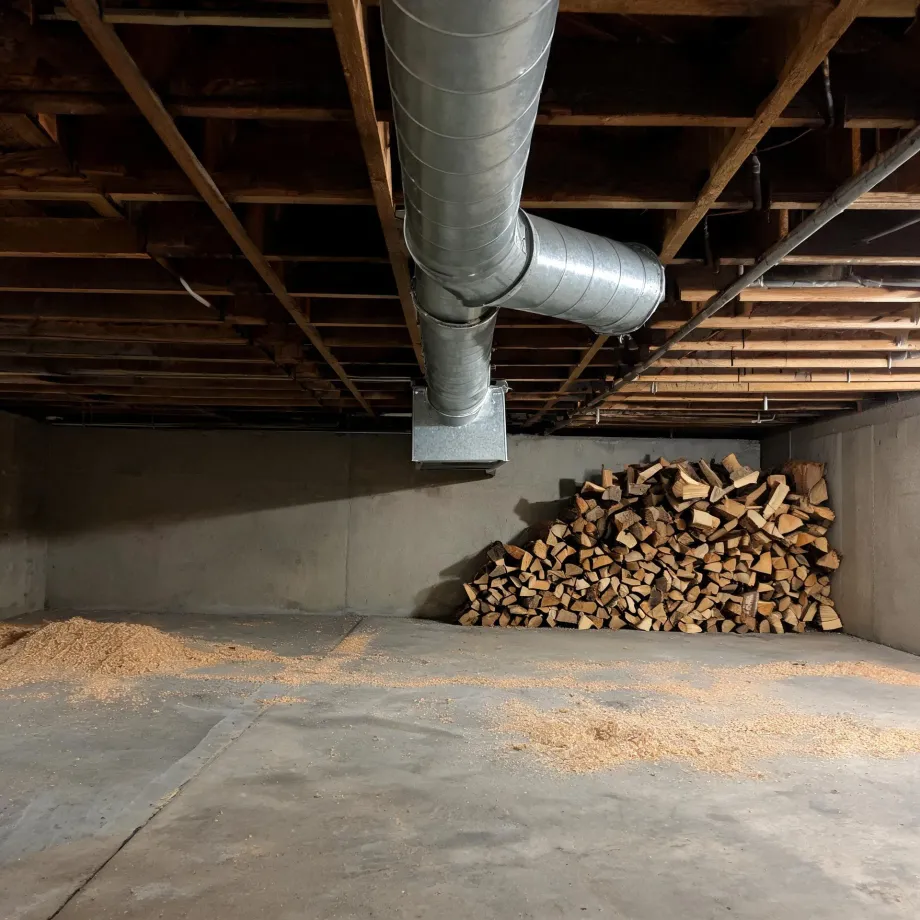
Boilers in houses this old tend to carry the evidence of every cold season in their heat exchangers, burner assemblies, and expansion tanks. Half the homes in Fremont County, Wyoming were built in 1978 or earlier (2020-2024 ACS 5-year). When a contractor opens a unit and finds cracked sections or corroded piping, the next question is whether the manufacturer or an aftermarket supplier still makes what the repair needs. For systems that have been in the ground that long, that is often the answer that decides whether a repair is viable at all.
The Parts of a Boiler a Contractor Checks First
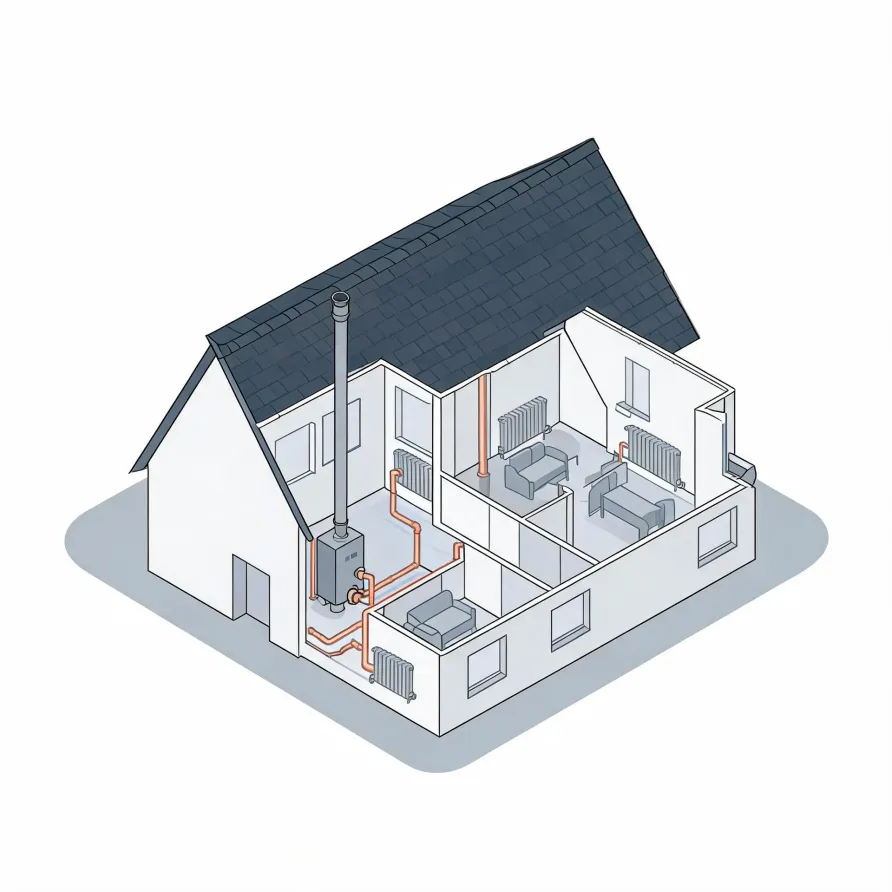
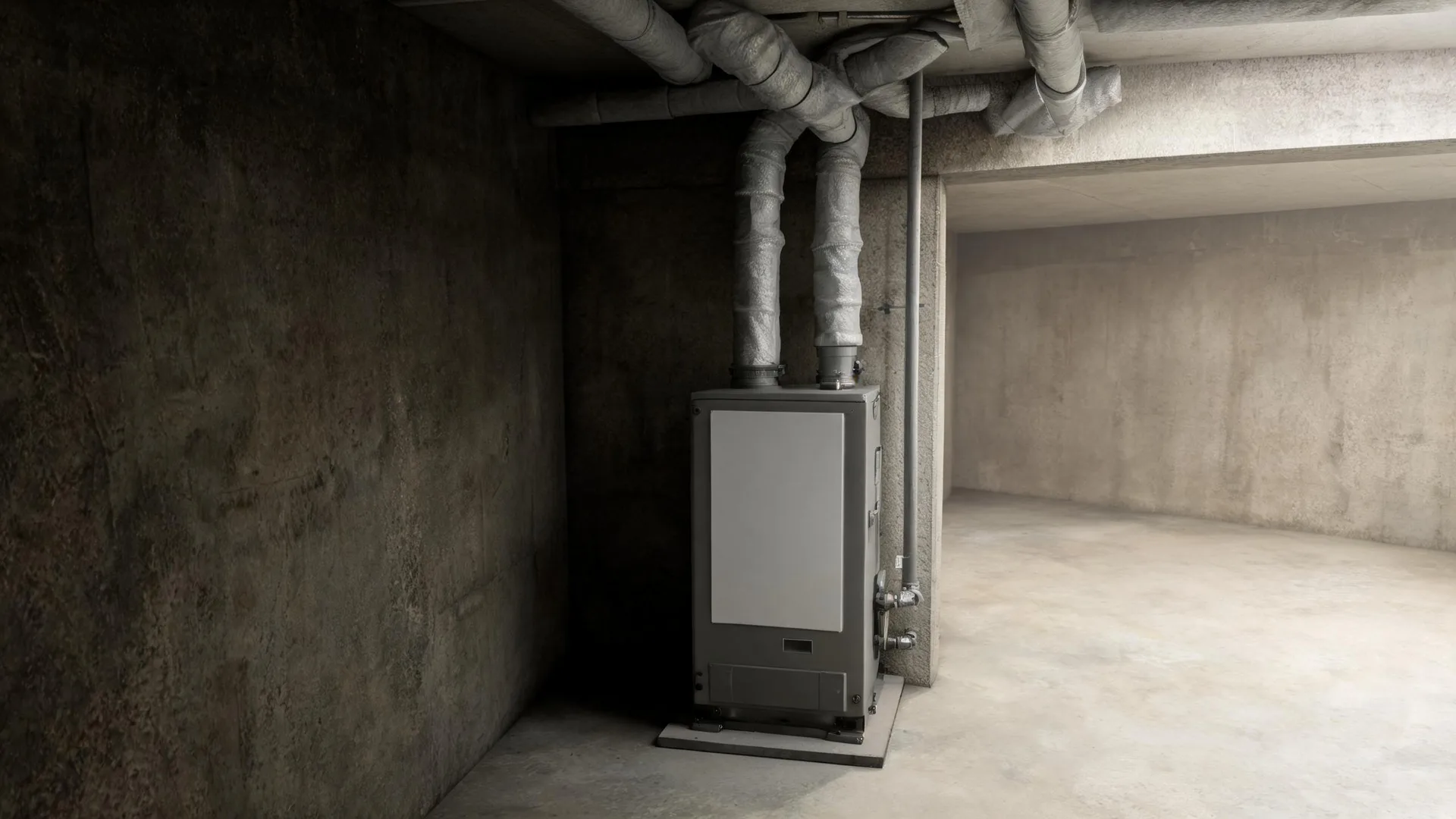
The boiler itself sits in a utility room, basement, or mechanical closet and is the unit that heats water. When something goes wrong, a contractor looks here first: the burner, the heat exchanger, and the pressure vessel are all housed inside it, and a fault in any one of them shows up as no heat, uneven heat, or a unit that cycles off before it should.
Leading out from the boiler, the pipes and circulator pump carry hot water through the system and return it after it has given up its heat. Radiators, baseboard units, or radiant floor loops are the endpoints a contractor checks when the boiler itself tests out fine but some rooms still run cold.
The drawing shows a representative layout, and a licensed contractor determines which parts apply to your specific system and what work each one needs.
Find a contractor in Fremont CountyFremont County, by the numbers
738 severe weather events were recorded in Fremont County, Wyoming between 2015 and 2024.
NOAA National Centers for Environmental Information, Storm Events Database, bulk CSV export, events 2015-01-01 through 2024-12-31.Half the homes in Fremont County, Wyoming were built in 1978 or earlier (2020-2024 ACS 5-year).
U.S. Census Bureau, 2020-2024 American Community Survey 5-Year EstimatesFremont County, Wyoming holds 17,469 housing units (2020-2024 ACS 5-year).
U.S. Census Bureau, 2020-2024 American Community Survey 5-Year EstimatesOwners occupy 70.1% of the occupied homes in Fremont County, Wyoming (2020-2024 ACS 5-year).
U.S. Census Bureau, 2020-2024 American Community Survey 5-Year EstimatesSevere Weather Events in Fremont County
Fremont County's climate puts real stress on boilers over time. Freeze cycles, pressure swings, and temperature extremes wear components in ways that mild-weather systems never face, which is why local repair demand follows local conditions.
738 severe weather events, 2015–2024. Source: NOAA National Centers for Environmental Information, Storm Events Database.